Siding That Protects Your Building Envelope
Siding Replacements in Madison for weather protection, structural preservation, and exterior updating
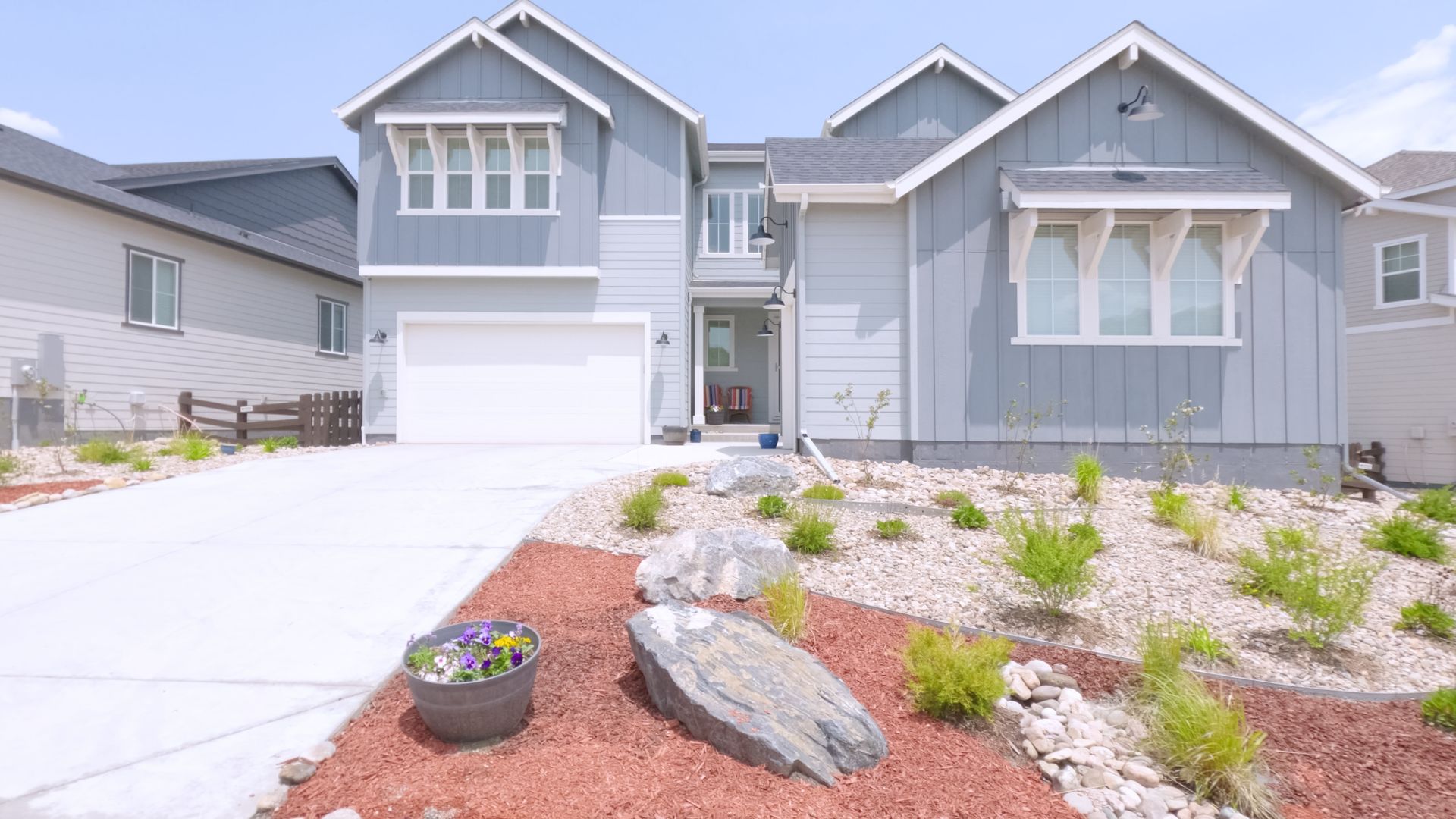
Warped boards, moisture intrusion behind existing panels, or widespread fading and cracking signal that siding no longer protects the building envelope effectively. Synergy Steel Inc provides siding replacement and installation in Madison using vinyl, fiber cement, wood, and aluminum materials selected based on your maintenance preferences, architectural requirements, and budget parameters. Replacement addresses both aesthetic deterioration and functional failure, restoring the barrier that prevents wind-driven rain from reaching sheathing and framing while improving thermal performance through updated underlayment and flashing details.
The installation process strips existing siding to expose the wall assembly, allowing inspection for hidden moisture damage, mold growth, or insulation deficiencies that developed over time. New house wrap or weather-resistant barrier installs over sheathing before siding attachment, creating a continuous drainage plane that channels any water that penetrates the cladding back to the exterior rather than allowing it to saturate structural components.
Request an exterior evaluation to identify where current siding has failed and discuss material options appropriate for your building type.
7361 Darlin Dr Unit 7, Dane, WI 53529
- Mon - Fri
- -
- Sat - Sun
- Closed
What Changes After Siding Replacement
Each material type offers distinct characteristics that affect long-term performance and maintenance requirements. Fiber cement resists moisture absorption and insect damage while accepting paint finishes that last longer than wood, vinyl eliminates painting but expands and contracts more noticeably with temperature swings, wood provides traditional appearance but requires periodic refinishing, and aluminum offers dent resistance with factory-applied coatings that do not require repainting. Installation techniques vary by material, with fiber cement requiring corrosion-resistant fasteners and specific clearances from grade, while vinyl needs expansion gaps at trim joints to accommodate thermal movement.
After replacement, you'll notice that drafts around windows and doors decrease because new flashing integrates properly with the weather barrier, ice formations along the foundation diminish because water sheds away from the structure rather than wicking behind failed siding, and interior humidity levels stabilize because the exterior envelope controls air infiltration more effectively. The updated assembly performs as a system rather than as isolated components, preventing the moisture pathways that cause paint failure, rot, and insulation degradation.
Replacement scope sometimes extends beyond cladding to include trim boards, soffit panels, and fascia if those elements show rot or insect damage. The company assesses all exterior components during initial evaluation to provide complete scope definition and prevent situations where new siding installs against deteriorated substrate that will require attention shortly after the project completes.
Answers to Frequent Service Questions
Property owners often need clarification on material performance and installation standards before selecting a siding system.
What determines which siding material works best for a specific property?
The decision depends on existing architectural style, maintenance willingness, exposure to severe weather, historical district requirements if applicable, and whether you prioritize initial cost or lifecycle value, with fiber cement and aluminum offering the longest service life and vinyl providing the lowest upfront investment.
How does Madison humidity affect wood siding longevity?
High humidity during summer months and moisture from snow accumulation create conditions where wood siding absorbs water, swells, and becomes susceptible to rot and paint failure unless properly primed, finished, and maintained with periodic sealing to prevent moisture infiltration at joints and fastener penetrations.
When should house wrap or weather barrier be replaced during siding work?
Barrier replacement is standard practice during full siding replacement because existing barriers often show tears, UV degradation, or failed seam tape that compromises their ability to shed water, and new products offer improved vapor permeability that reduces trapped moisture risk.
What installation details prevent water intrusion around windows and doors?
Proper flashing involves layering materials so upper components overlap lower ones, creating a shingled effect that directs water outward, with self-adhesive flashing at the sill, rigid head flashing above the opening, and careful integration with the weather barrier to eliminate gaps where wind-driven rain can enter.
How long does siding replacement typically require?
Most residential projects complete within one to two weeks depending on building size and material type, with fiber cement requiring more labor time than vinyl due to cutting and fastening requirements, and weather delays possible if rain prevents proper adhesive curing or material handling.
Synergy Steel Inc works with you on project timelines and coordinates material delivery to minimize exposure periods when the building envelope is open. Schedule a consultation to review current siding condition and receive detailed material comparisons based on your specific building and performance goals.